 11
11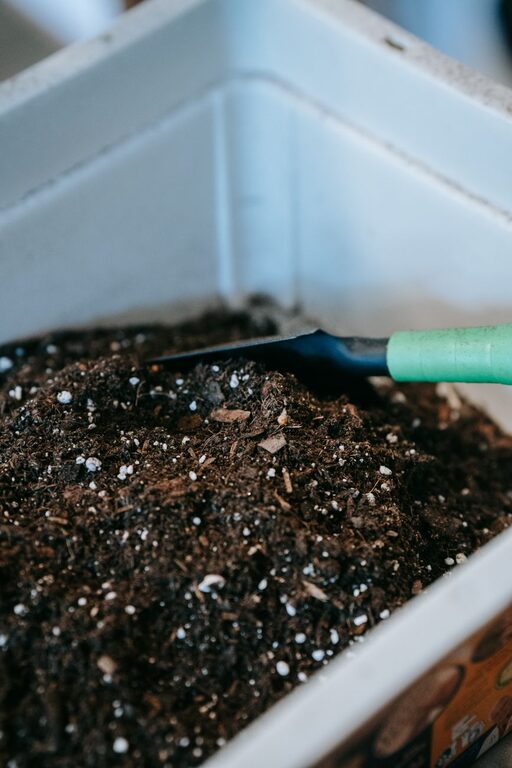
Composting at home is a fantastic way to reduce kitchen and garden waste while creating nutrient-rich soil for your plants. Whether you have a large backyard or a small balcony, composting can be tailored to fit your space and lifestyle. If you’re new to composting, it may seem overwhelming, but with a few simple tips, you can start turning your organic waste into valuable compost in no time.
Composting is the natural process of recycling organic material—like food scraps and yard waste—into a rich, dark soil amendment known as compost. This compost improves soil health, helps plants grow, and reduces the amount of waste sent to landfills.
– Reduces waste: Composting diverts food scraps and yard waste from the trash.
– Improves soil: Compost adds nutrients and improves soil structure.
– Saves money: Reduces the need for chemical fertilizers.
– Supports sustainability: Helps reduce greenhouse gas emissions from landfills.
There are several composting methods to suit different living spaces and needs:
Ideal if you have a garden or yard.
– Use a compost bin or pile in a shaded spot.
– Make sure it’s accessible and easy to turn.
– Can handle larger volumes of yard waste.
Perfect for apartments or limited outdoor space.
– Worm bins use earthworms to break down food waste.
– Bokashi is a fermentation process using special bran.
– Both methods are odor-controlled and compact.
If home composting isn’t an option, check for local community compost programs or drop-off points.
To create quality compost, balance your materials:
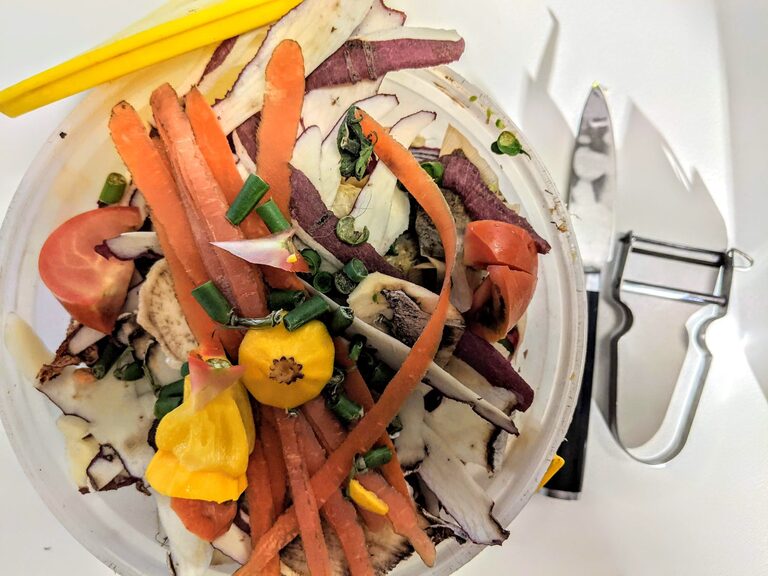
– Greens (Nitrogen-rich): Fruit and vegetable scraps, coffee grounds, tea bags, fresh grass clippings.
– Browns (Carbon-rich): Dry leaves, cardboard, newspaper, straw, shredded paper.
Avoid composting:
– Meat, dairy, oils, and bones (can attract pests).
– Diseased plants or weeds with seeds.
– Pet waste (can carry harmful pathogens).
Choose a convenient spot with good airflow and some shade. If you’re using a bin, place it on soil or grass to allow worms and microbes to enter.
Start with a layer of browns, then add greens, alternating as you go. This layering helps maintain balance and aeration.
Compost should be as moist as a wrung-out sponge. If it’s too dry, add water. If too wet, add more browns to absorb excess moisture.
Turning the compost every 1 to 2 weeks aerates it and speeds up decomposition. Use a garden fork or compost aerator tool.
A healthy compost pile heats up as microbes break down materials. You can use a compost thermometer or just feel the warmth yourself.
Composting can take several months to a year depending on conditions. Finished compost is dark, crumbly, and earthy-smelling.
– Chop or shred materials: Smaller pieces break down faster.
– Avoid adding too much of one type: Balance greens and browns for best results.
– Keep pests out: Use a bin with a lid or cover scraps with browns.
– Use finished compost wisely: Mix into garden soil, use as mulch, or potting mix ingredient.
| Problem | Cause | Solution |
|——————|——————————–|———————————-|
| Smelly compost | Too wet or too many greens | Add browns, turn pile, aerate |
| Pests in bin | Food scraps exposed | Bury scraps under browns, use closed bin |
| Slow decomposition | Inadequate moisture or aeration | Water pile, turn regularly |
| Compost too dry | Not enough moisture | Add water or fresh greens |
Composting at home is a rewarding practice that helps the environment and your garden. Start small, be patient, and enjoy the process of turning everyday waste into black gold. With these beginner tips, you’ll be well on your way to becoming a confident home composter.
Happy composting!