
 11
11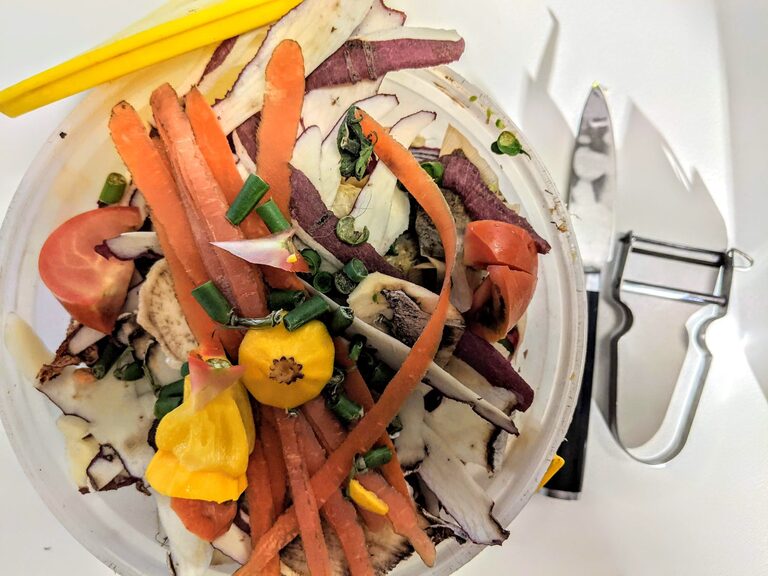
Reducing food waste at home is not only good for the environment but also helps save money and resources. With some thoughtful planning and simple changes to daily habits, anyone can make a significant difference. This post explores effective ways to cut down on food waste, from smart shopping to creative cooking and proper storage.
Food waste contributes heavily to environmental problems, including unnecessary energy use, greenhouse gas emissions, and water waste. Additionally, throwing away food wastes the money spent to purchase it and the effort that went into producing it. By reducing waste, we use our resources more responsibly and enjoy fresher, healthier meals.
Plan your meals for the week before heading to the grocery store. Create a detailed list based on what you need and stick to it to avoid impulse buying. This will help prevent buying items you won’t use in time.
Before shopping, take stock of what you already have to avoid purchasing duplicates. Use older items first and plan meals around them.
Avoid bulk purchases unless you are sure you can consume the items before they expire. For perishable goods, consider buying smaller quantities more frequently.
Different foods require different storage conditions. For example, leafy greens stay fresh longer when wrapped in paper towels and stored in a crisp drawer, while tomatoes lose flavor in the fridge.
Keeping leftovers and opened products in airtight containers can help maintain freshness and prevent spoilage.
Place items that need to be used soon at the front and visually separate different types of foods. This reduces the chance of forgetting about them.
Transform leftover vegetables, grains, or meats into soups, stews, stir-fries, or casseroles. This not only reduces waste but also saves cooking time on busy days.
Freezing is a great way to extend the life of leftovers or extra ingredients. Be sure to label packages with dates to keep track.
Certain scraps like vegetable peels, bones, and herb stems can be used to make homemade broths or compost for your garden.
Cooking large amounts of food often leads to uneaten leftovers. Measure ingredients carefully and serve reasonable portions to avoid excess. You can always save leftovers for another meal rather than preparing more than you need.
“Best before” dates often indicate quality rather than safety, so many foods remain edible beyond this date. Use sensory checks—look, smell, taste—to decide if food is still good.
Adopt the “First In, First Out” approach by using older products before newer ones to minimize spoilage.
Even with all efforts, some food waste is inevitable. Composting kitchen scraps like fruit and vegetable peels, coffee grounds, and eggshells reduces landfill waste and creates nutrient-rich soil for gardening.
Educate everyone in your household about the importance of reducing food waste. Share tips and involve them in meal planning, shopping, and cooking. Supporting teamwork makes the process more enjoyable and effective.
Reducing food waste at home requires a bit of mindfulness and effort but comes with many rewards. By planning, storing, repurposing, and managing portions, you not only save money but also make a positive environmental impact. Start with small changes, and over time, these habits will lead to a more sustainable and enjoyable kitchen experience.