 11
11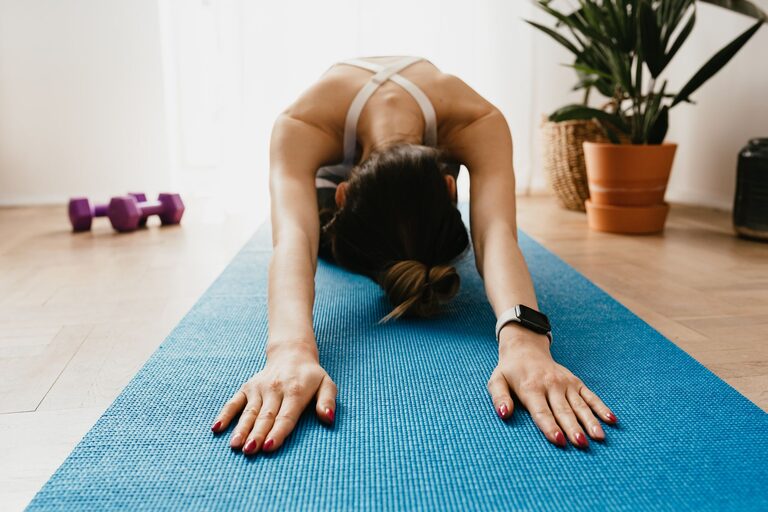
Stretching is an easy and effective way to improve your flexibility, reduce muscle tension, and promote overall well-being. You don’t need a gym or special equipment to stretch — just a bit of space at home and a few minutes each day. This beginner’s guide will walk you through the basics of stretching at home, including why it’s important, how to get started, and some simple stretches you can try today.
Stretching helps maintain and improve the range of motion in your joints and muscles. It can also:
– Reduce muscle stiffness and soreness
– Improve posture and balance
– Increase blood flow and circulation
– Decrease the risk of injury during physical activities
– Help relieve stress and promote relaxation
Incorporating stretching into your daily routine can support your overall physical health and make everyday movements easier.
Before you begin stretching, it’s helpful to create a comfortable environment:
– Find a quiet space: Choose a spot with enough room to move freely without obstacles.
– Wear comfortable clothing: Clothes that allow for easy movement work best.
– Use a yoga mat or soft surface: This provides cushioning for floor stretches.
– Warm up lightly: Do 5 minutes of light activity like walking or marching in place to get your blood flowing.
– Start slowly: Ease into each stretch gently, avoiding any bouncing or jerky movements.
– Hold each stretch: Aim to hold stretches for 15 to 30 seconds.
– Breathe deeply: Focus on slow, steady breathing to help your muscles relax.
– Listen to your body: Stretching should feel good, not painful. If you feel pain, ease off or stop.
– Be consistent: Practicing stretching a few times a week can provide lasting benefits.
Here are some simple stretches that target common tight areas:
– Sit or stand tall with shoulders relaxed.
– Slowly tilt your head to one side, bringing your ear toward your shoulder.
– Hold for 20 seconds, then switch sides.
– Bring one arm across your chest.
– Use your other arm to gently press the stretched arm closer to your chest.
– Hold for 20–30 seconds, then switch arms.
– Start on your hands and knees.
– Arch your back toward the ceiling (Cat pose), tucking your chin.
– Then dip your back, lifting your head and tailbone (Cow pose).
– Repeat slowly 5-8 times.
– Sit on the floor with one leg extended and the other bent with the foot touching the inner thigh.
– Reach forward toward the toes of the extended leg, keeping your back straight.
– Hold for 20–30 seconds, then switch legs.
– Stand near a wall or chair for balance.
– Bend one knee and bring your heel toward your buttocks.
– Hold your ankle with your hand to stretch the front of your thigh.
– Hold for 20–30 seconds, then switch legs.
– Stand facing a wall with one foot forward and one foot back.
– Keep both heels on the floor and bend the front knee.
– Hold the stretch in the back calf for 20–30 seconds, then switch legs.
You can combine these stretches into a short routine that fits your schedule. For example:
This routine can take about 10-15 minutes and is a great way to start or end your day.
You can stretch at any time of the day, but here are a few ideas:
– Morning: Stretch to wake up your muscles and prepare for the day.
– After exercise: Help muscles cool down and reduce soreness.
– During breaks: Take short stretch breaks if you’re sitting for long periods.
– Before bed: Stretch gently to relax and ease tension.
Starting a stretching routine at home is a wonderful way to take care of your body. Remember, it’s not about how deep you stretch but how regularly and mindfully you practice. With just a few minutes each day, you’ll likely notice improvements in your flexibility, comfort, and overall wellness.
Try these stretches today and enjoy the benefits of moving more freely and feeling better in your body!